
In an era where digital technology dominates nearly every aspect of our lives, a curious phenomenon has emerged within the photography world. Despite the convenience and instant gratification offered by modern devices, a growing number of enthusiasts are rediscovering the magic of film. This revival is not merely a fleeting trend but rather a testament to the enduring qualities that analog cameras bring to the art of image-making. The tactile nature of loading film, the anticipation of waiting for developed photographs, and the distinct visual character of each frame create an experience that resonates deeply with those seeking authenticity and creativity in their work.
The Enduring Charm of Film Photography in the Digital Age
The resurgence of film photography is reshaping the landscape of contemporary image-making, drawing both seasoned professionals and curious newcomers into its fold. While digital platforms offer unparalleled speed and convenience, they often lack the soul and intentionality that film naturally encourages. This difference has become increasingly apparent as photographers seek to slow down and reconnect with the fundamental principles of their craft. The process of shooting on film demands a mindful approach, where each exposure is considered carefully rather than captured impulsively. This deliberate methodology fosters a deeper engagement with the subject and environment, resulting in images that carry a distinct sense of purpose and emotion.
Why photography enthusiasts are returning to analogue methods
The migration back to analogue methods stems from multiple factors that extend beyond mere nostalgia. Many photographers find that the limitations inherent in film shooting actually liberate their creative expression rather than constrain it. With a finite number of exposures available on each roll, practitioners develop a heightened awareness of composition, lighting, and timing. This constraint encourages a more thoughtful approach, transforming photography from a rapid-fire exercise into a meditative practice. Furthermore, the vibrant community surrounding film photography provides a sense of belonging and shared passion that is often missing in the solitary world of digital editing. Enthusiasts gather to exchange knowledge, share techniques, and celebrate the unique characteristics that different film stocks and cameras produce. The global film photography market is expected to grow by 3.74 per cent each year from 2022 to 2029, whilst the global film camera market is anticipated to expand by 6.8 per cent annually from 2020 onwards. These statistics underscore a genuine shift in preferences, reflecting a collective desire to embrace methods that prioritise quality and intentionality over quantity and immediacy.
The tangible experience that digital technology cannot replicate
One of the most compelling aspects of working with film is the tangible connection it establishes between the photographer and the medium. Unlike digital files that exist as abstract data, film negatives and prints possess a physical presence that can be held, examined, and archived. This materiality creates a sense of permanence and authenticity that resonates deeply with those who value the craftsmanship of traditional photography. The ritual of loading a roll, advancing the film after each shot, and eventually developing the images in a darkroom or sending them to a lab adds layers of anticipation and excitement to the entire process. This waiting period, often viewed as inconvenient in our instant-access culture, actually enhances the emotional impact of the final images. When the developed photographs arrive, there is a genuine sense of revelation and surprise, as each frame reveals moments captured with care and intention. This experience stands in stark contrast to the immediate preview offered by digital cameras, where images can be reviewed and deleted on the spot, often diminishing the sense of discovery that makes photography so rewarding.
Understanding the Technical Advantages of Analogue Camera Systems
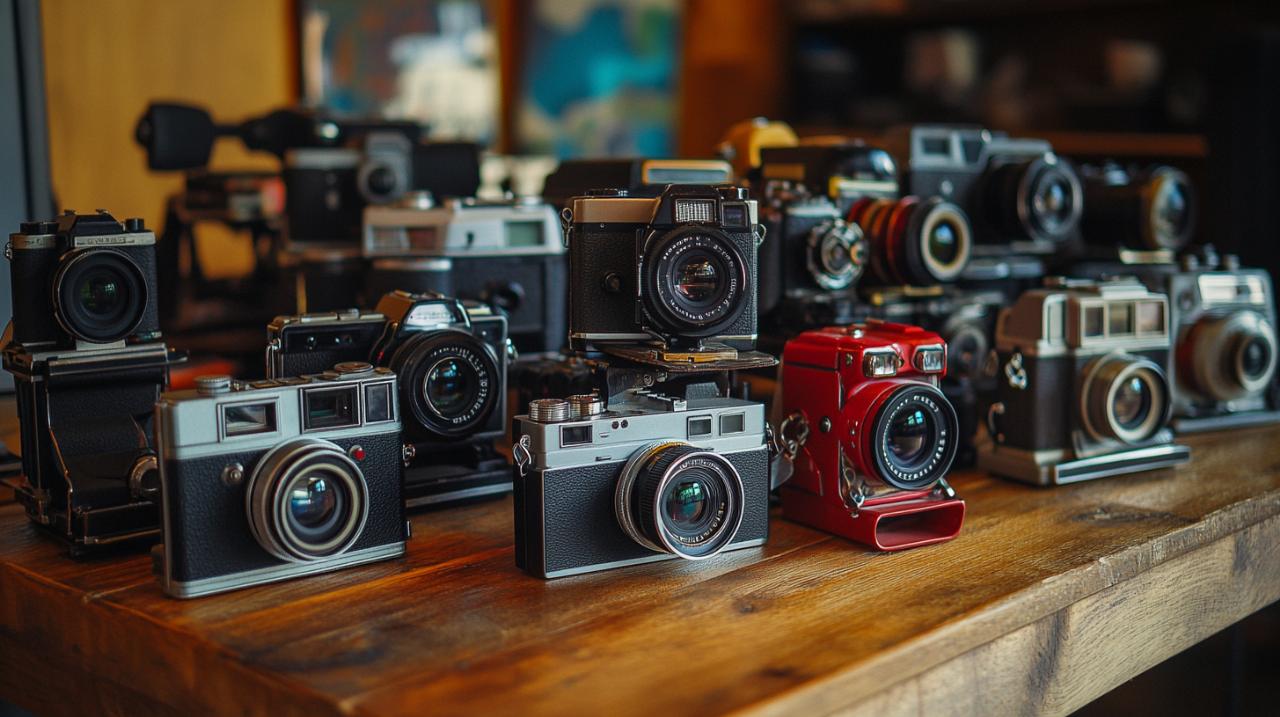
Beyond the emotional and experiential benefits, film photography offers distinct technical qualities that continue to attract discerning photographers. The mechanical simplicity of many analogue cameras ensures reliability and longevity, with well-maintained models from decades past still producing exceptional results today. This durability is complemented by the unique aesthetic characteristics that film imparts to images, qualities that digital sensors and post-processing software struggle to authentically replicate. The organic nature of film grain, the way colours render with subtle nuance, and the dynamic range captured in each exposure all contribute to a visual language that feels both timeless and contemporary. These attributes make film an ideal choice for a variety of genres, from wedding photography to commercial branding, where the goal is to create images that stand out and convey a sense of authenticity.
The Distinctive Aesthetic Quality of Film Grain and Colour Rendition
Film possesses an inherent texture and depth that digital photography often lacks, even with sophisticated post-processing techniques. The grain structure of film, which varies depending on the stock and development process, adds a tactile quality to images that enhances their visual interest. This grain is not merely noise but rather an integral component of the image that contributes to its overall mood and character. Colour rendition on film is similarly distinctive, with different stocks offering unique palettes that can dramatically influence the final result. Portra400 film, for instance, is well-loved for its natural and flattering colour reproduction, particularly when photographing skin tones. This film stock has become a favourite among portrait and wedding photographers who seek to capture their subjects with warmth and fidelity. The romantic aesthetic that film naturally produces has made it increasingly popular for events where authenticity and timeless beauty are paramount. Prices for vintage film cameras have been rising by 25 to 50 per cent each year, reflecting the growing demand for these instruments as tools for serious creative work. Meanwhile, exports of photographic film increased by 18.6 per cent between 2020 and 2021, and demand for silver, a crucial component in film production, rose by 19 per cent in 2021. These market trends illustrate a robust and expanding ecosystem around film photography, driven by both professional practitioners and passionate amateurs.
How mechanical simplicity enhances the photographer's creative process
The straightforward design of many analogue cameras removes technological barriers that can sometimes hinder the creative process. Without the distraction of complex menus, digital displays, and automatic settings, photographers are free to focus entirely on the essential elements of image-making: composition, light, and subject. This simplicity fosters a more intuitive relationship with the camera, allowing the photographer to work quickly and instinctively when decisive moments arise. Models such as the Canon AE-1, Pentax K1000, and Olympus Trip 35 have become legendary for their reliability and ease of use, making them ideal choices for both beginners and experienced shooters. These cameras, along with a variety of medium format and point-and-shoot options, provide diverse tools for different photographic styles and projects. The mechanical nature of these systems also means they require less power and are less susceptible to the electronic failures that can plague modern digital equipment. Many analogue cameras operate perfectly well without batteries, or rely on simple power sources that are easy to replace, ensuring that they remain functional for decades. This longevity not only represents excellent value for money but also supports a more sustainable approach to photography, where equipment is cherished and maintained rather than discarded and replaced. The film photography community embraces this ethos, sharing knowledge about camera repair, film development techniques, and the creative possibilities offered by different formats and stocks. A survey indicates that 23 per cent of photographers exclusively use film, whilst 41.3 per cent use film more than digital, highlighting the significant role that analogue methods continue to play in contemporary practice. This commitment to film is further supported by the availability of a wide range of accessories, from camera straps to lenses, batteries, and various film types including colour, black and white, and instant formats. Many retailers now offer starter kits designed to help newcomers navigate the world of film photography, along with generous delivery and returns policies that make purchasing equipment both convenient and risk-free. For those looking to explore the medium, free delivery options and hassle-free returns provide reassurance, whilst extended return periods during festive seasons offer additional flexibility. Whether one is drawn to the nostalgic appeal, the technical qualities, or the thoughtful approach that film encourages, analog cameras continue to offer a compelling alternative to digital technology, enriching the practice of photography with depth, texture, and authenticity.